
Free shipping on orders over €45
Our shop is open • 87 Rue Lemercier, Paris 17th
Free shipping on orders over €45
Our shop is open • 87 Rue Lemercier, Paris 17th
Free shipping on orders over €45
Our shop is open • 87 Rue Lemercier, Paris 17th
Free shipping on orders over €45
Our shop is open • 87 Rue Lemercier, Paris 17th
Taiwan’s high-mountain teas, known as Gao Shan Cha, are prized by tea lovers for their finesse and aromatic richness. Grown at over 1,000 m in altitude, these teas benefit from particular climatic conditions that directly influence their quality and taste profile.
As with other terroir products such as wine, coffee or cocoa, the growing environment plays an essential role in the composition of the tea leaves. At high altitude, lower temperatures and marked day-to-night thermal variations slow the growth of the plants.
This slower development promotes an increased concentration of amino acids and essential oils, giving the teas a natural sweetness and a unique aromatic depth.
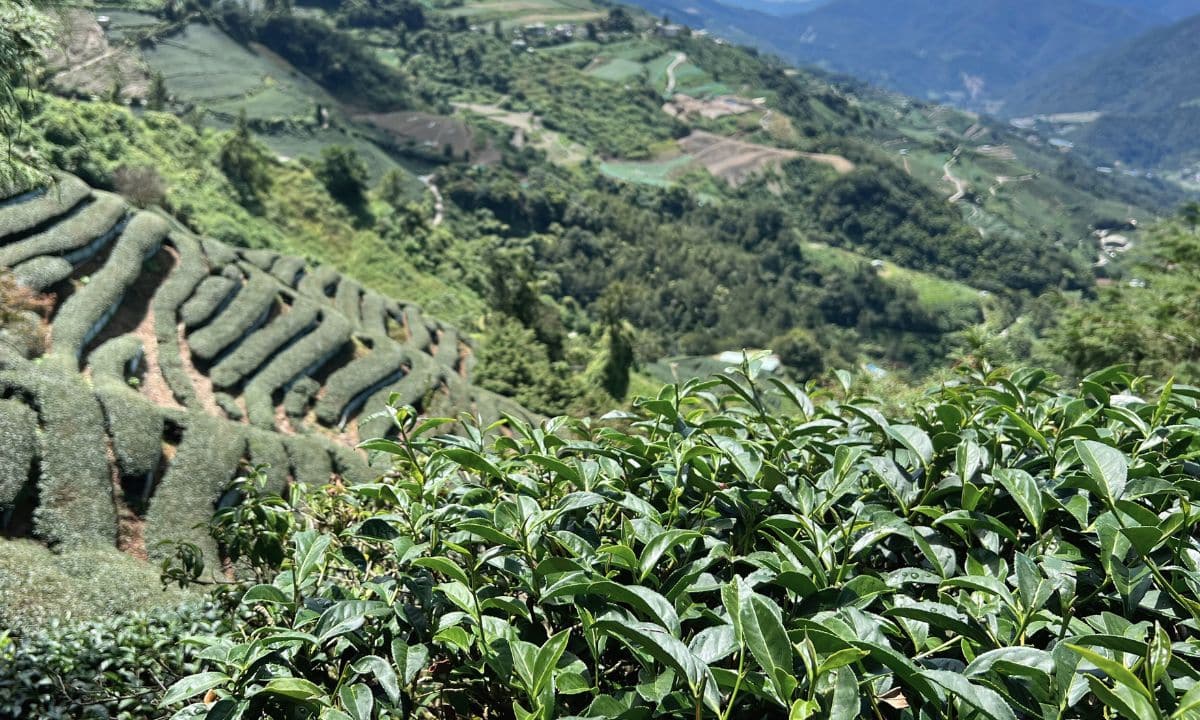
In Taiwan, high-mountain teas are classified under the name Gao Shan Cha when they are grown at over 1,000 m in altitude.
Among the most renowned producing regions are the mountains of Alishan, Lishan and Da Yu Ling, each offering unique terroirs with distinct characteristics.
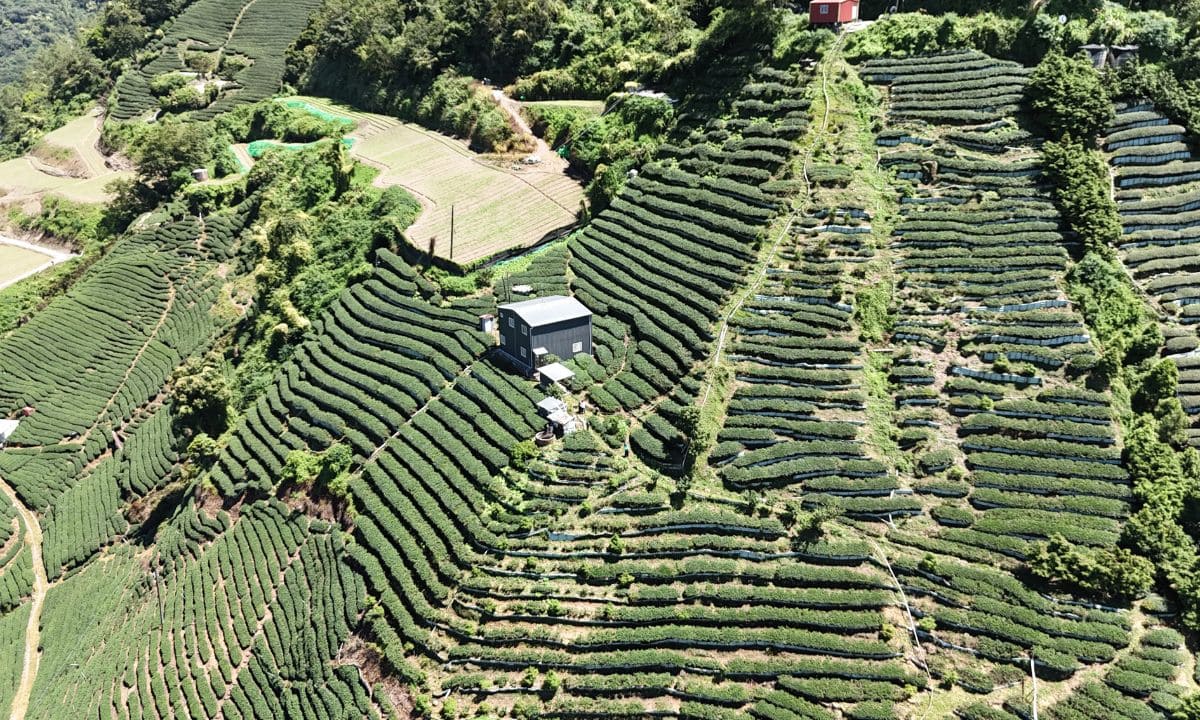
Gao Shan Cha teas are sought after for their silky texture, low bitterness and great aromatic complexity. Their richness in amino acids gives them a natural sweetness and a remarkable length on the palate. Floral, fruity and sometimes milky notes intertwine subtly, offering a refined sensory experience.
Opting for a Gao Shan Cha tea means choosing a tea of superior quality, grown in a preserved environment. These teas embody Taiwanese know-how and the richness of a unique terroir. Ideal for contemplative tasting, they reveal all their subtlety when brewed with care, at a moderate temperature.
Dive into the world of Taiwan’s high-mountain teas with the nunshen Gao Shan Cha selection.