
Free shipping on orders over €45
Our shop is open • 87 Rue Lemercier, Paris 17th
Free shipping on orders over €45
Our shop is open • 87 Rue Lemercier, Paris 17th
Free shipping on orders over €45
Our shop is open • 87 Rue Lemercier, Paris 17th
Free shipping on orders over €45
Our shop is open • 87 Rue Lemercier, Paris 17th
Oolong is a category of tea in its own right, sitting between green tea and black tea. Its distinctive feature lies in its partial oxidation, which can range from 10% to 70%, offering a great diversity of flavours and aromas. This mastery of oxidation, combined with roasting techniques of varying intensity, makes it possible to obtain unique taste profiles.
Transforming Oolong is an art that requires great expertise.
It comprises several essential stages:
To roll nunshen’s Taiwanese Oolong teas into pearls, the tea leaf is placed in a cloth bundle that is turned for a certain time. This bundle is repeatedly reopened to turn the leaf so that it curls tightly on itself.
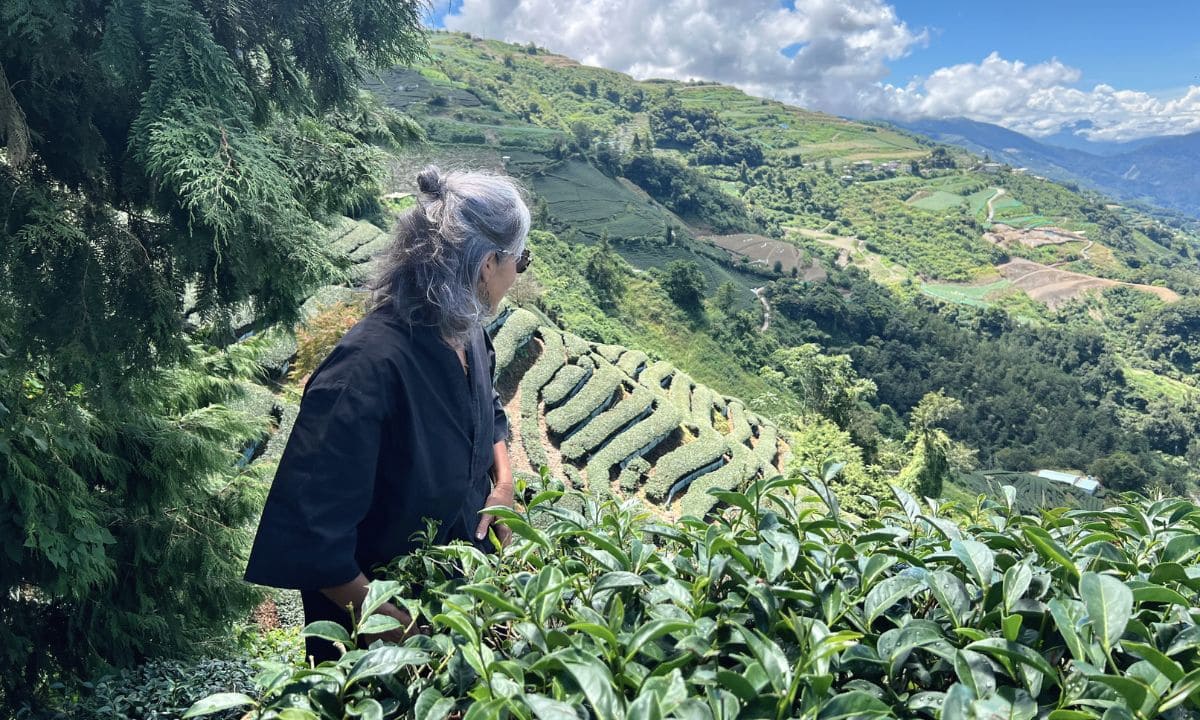
Carine Baudry — Sourcing and Creation Director at nunshen, sourcing Oolongs in Taiwan
Oolongs stand out for their exceptional aromatic richness. Depending on the degree of oxidation and the method of manufacture, they can develop floral, fruity, woody or even toasted notes.
Lightly oxidised Oolong teas often recall green tea, with notes of white flowers and honey, while heavily oxidised or roasted Oolongs offer flavours of candied fruit, cocoa or hazelnut.
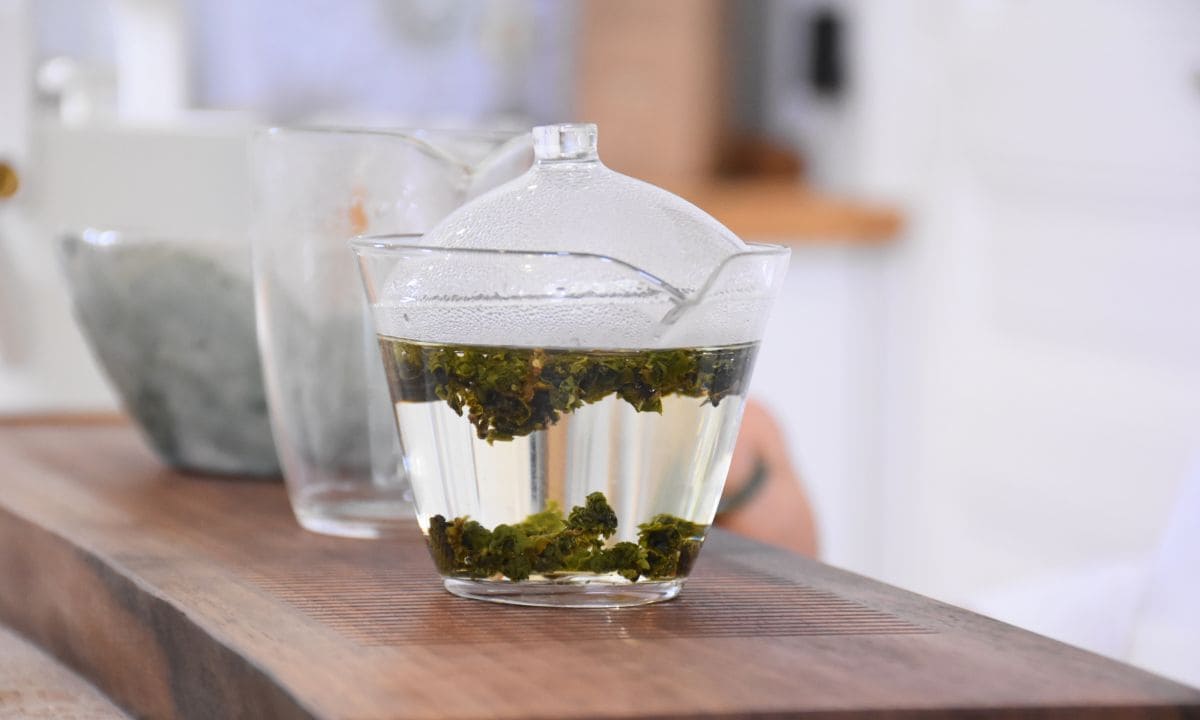
Brewing Oolong varies according to its type and degree of oxidation. In general, we recommend:
Some varieties, particularly the pearl-rolled ones, reveal their full potential after several infusions, offering an evolution of aromas over the course of the tasting.
Enjoyed in Asia for centuries, notably in China and Taiwan, Oolong is now establishing itself as an exceptional tea worldwide. Its aromatic complexity and the richness of its variations make it a unique experience for tea lovers.
Whether you are a novice or an enthusiast, discovering Oolong means diving into a fascinating world where each leaf tells a story of craftsmanship and patience.
nunshen invites you to discover a unique tasting journey with these three new Taiwanese Oolongs: