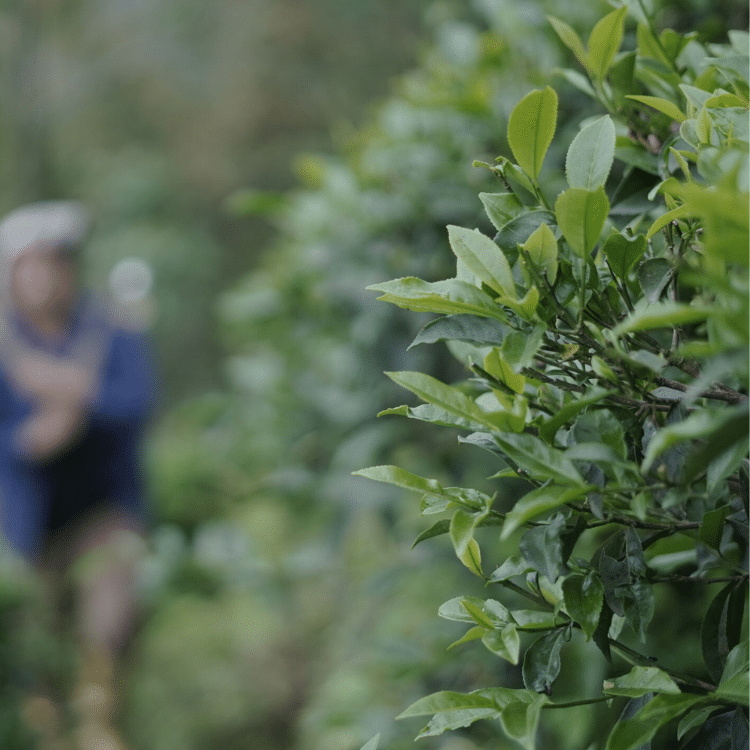
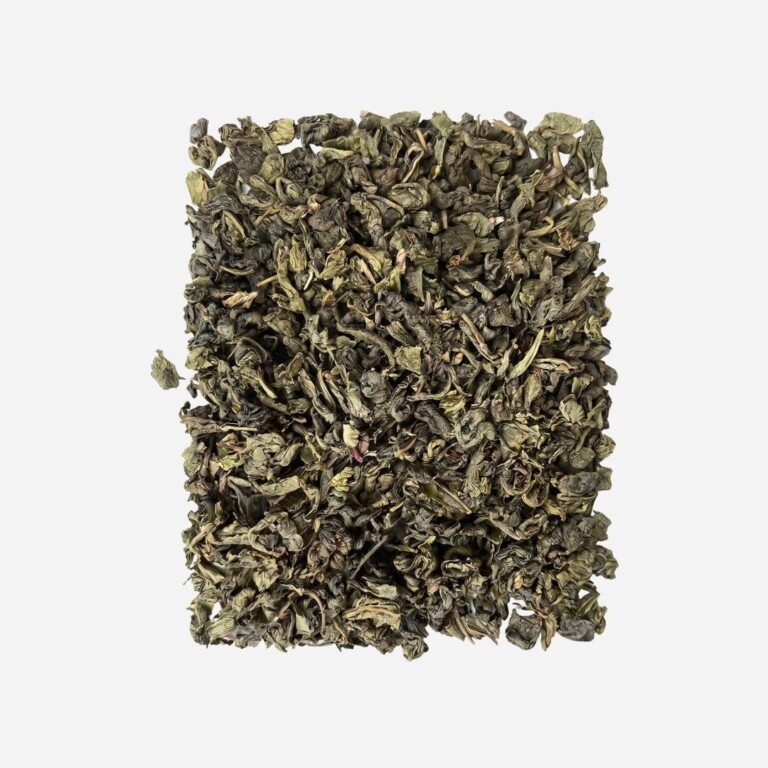
Picture yourself in Jasbire in the early morning. Mist blankets the tea bushes, and the cold lingers despite the emerging sun. So to warm up, you await the cup of tea prepared by your hosts, at once curious and impatient. Scents of flowers and almond tickle your nose, and notes of fresh grass fill your palate.
THE STORY OF THE TEA
The producers of this tea, Purna and Susma Mukyia, live in the village of Jasbire in the Ilam region of Nepal. This small village of around a hundred inhabitants is perched at 1,800 metres of altitude in the Himalayan mountains.
Tea cultivation has developed more intensively in Nepal over the past twenty years or so. Before the tea gardens, Purna’s family grew cardamom. When a pest invaded all the cardamom crops, they began growing tea.
During my stay in Nepal in spring 2024, I stayed with my Nepalese family at heart. This family owns around 10 hectares of tea bushes and, recently, produces their own tea thanks to the construction of a small factory in the middle of the tea gardens. It is Purna who, with his wife Susma, transforms the leaves.
This black tea comes from the year’s first harvests. Purna wanted to produce two distinct profiles. A black tea with marked oxidation and a light roast at the end of the process that brings subtle nuances of chocolate and cereals. And a so-called “Darjeeling style” tea with much lighter oxidation and controlled drying to bring out the vegetal world rather than the stewed-fruit and chocolate one.
Jasbire Vasanta belongs to the second category.
Why this name: Vasanta means spring in Nepali. We wanted to highlight the moment of harvest, a much-anticipated moment in the world of tea.